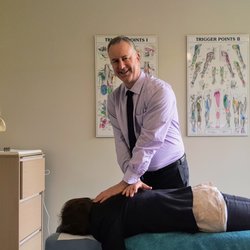
Muscle knots, sometimes referred to as trigger points or areas of localised muscle tension, are a common source of discomfort. They often feel like tight, tender spots in the muscles and can occur in areas such as the shoulders, upper back, and legs.
For some people, muscle tension settles with simple self-care. In other cases, symptoms may persist or recur, particularly when posture, repetitive movement, physical load, or other musculoskeletal factors are involved.
What Are Muscle Knots?
A muscle knot is commonly used to describe a tight, sensitive area within a muscle that may feel firm or tender to touch. These areas are often noticed in places such as:
- the shoulder blade region
- the upper back
- the lower back
- the legs
Muscle tension can be influenced by a range of factors, including repetitive activity, prolonged sitting, posture, training load, stress, or reduced movement variety through the day.
Self-Care Approaches That May Help
For some people, simple self-management strategies may help ease muscle tension and improve comfort.
1. Gentle Self-Massage
Some people find that gentle pressure around a tight area may help settle local muscle tension. This can be done using the hands or a massage tool, depending on the area involved.
It is generally best to avoid excessive force, especially if the area is highly sensitive or symptoms are radiating.
2. Foam Rolling and Self-Release Tools
Foam rollers and self-massage tools are commonly used to work through areas of muscular tightness, particularly in the upper back, shoulders, and legs.
These approaches may be useful for some people as part of a broader routine that includes movement and stretching.
3. Stretching and Movement
Gentle stretching may assist with general movement and muscle comfort, particularly where stiffness has built up over time.
Depending on the area involved, useful approaches may include:
- shoulder stretches
- upper back mobility movements
- gentle range-of-motion exercises
- walking or other low-load movement
4. Heat or Ice
Some people prefer heat, while others prefer ice. A warm pack may feel more comfortable for general muscle tightness, while ice may be used by some people where the area feels irritated after recent activity.
Tolerance varies between individuals, so it often comes down to which option feels more suitable.
When Ongoing Symptoms May Need Further Assessment
If muscle tightness is persistent, frequently recurring, or associated with other symptoms such as reduced movement, weakness, numbness, or referred pain, a professional assessment may be appropriate.
This is particularly relevant where the discomfort is not settling with rest or self-care, or where the same area continues to flare repeatedly.
Professional Care Options
Depending on the presentation, management may involve a combination of approaches such as:
- manual therapy
- exercise-based care
- movement advice
- activity modification
- ergonomic or postural guidance
Different forms of care may be more appropriate depending on the underlying contributors to the symptoms.
Chiropractic Care and Muscle Tension
Chiropractic care may be considered as one option where muscle tension appears to be linked with movement restriction, posture, spinal or joint mechanics, or related musculoskeletal factors.
At an appointment, assessment may include:
- discussion of your symptoms and activity patterns
- review of posture and movement
- examination of the affected area and related regions
- consideration of whether other assessment or referral may be needed
Where appropriate, care may include manual techniques, movement advice, and strategies aimed at helping you manage contributing factors.
How Long Can Muscle Tension Last?
This varies. Some areas of muscle tightness settle relatively quickly, while others may persist depending on load, posture, recovery, sleep, stress, work demands, or other contributing factors.
If symptoms are ongoing, recurring, or becoming more limiting, it may be worth having them assessed.
A Practical Approach to Muscle Tension
Muscle knots and areas of muscle tightness are common, but they do not always have a single cause. In many cases, they are influenced by a combination of movement habits, posture, activity demands, and muscular loading over time.
If you are experiencing persistent muscle tension or discomfort, an assessment can help identify possible contributing factors and discuss appropriate management options.
To arrange an appointment with Michael & David Black Chiropractic Group, call 0483 960 996 or book online.
Call us today on 0483 960 996 to schedule an appointment and start your journey towards a pain-free, healthier life!