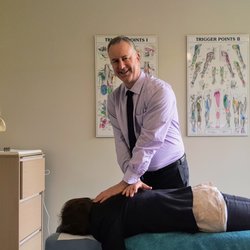
If you’ve been dealing with jaw pain, headaches, or a constant clicking sound when you chew or yawn, you might be experiencing symptoms of TMJ disorder, also known as TMD. It’s a condition that affects the temporomandibular joint (the hinge that connects your jaw to your skull), and it can interfere with daily activities.
While many people turn to dental treatments or pain relief medication, chiropractic care for TMJ is another option that may be considered.
What is TMJ disorder?
The TMJ is the joint located just in front of your ears that allows you to open, close, and move your jaw. TMJ disorder occurs when this joint becomes painful or doesn’t function properly.
Common symptoms of TMJ disorder
- Jaw pain or tenderness
- Clicking or popping sounds when opening your mouth
- Limited movement or locking of the jaw
- Headaches or pain that spreads to the ears or neck
- Pain while chewing or talking
TMJ disorder can be associated with a range of factors such as clenching or grinding your teeth, past injuries, arthritis, or stress. While these symptoms can be frustrating, there are different approaches that may help manage them.
The Role of Chiropractic Care in TMJ Management
A chiropractor may assist with TMJ-related discomfort by assessing the movement and function of your jaw, neck, and spine. Jaw issues are often not isolated and may be influenced by surrounding muscles and joints.
Chiropractic care takes a whole-body approach, focusing on how different areas of the body work together. Care may involve working not only on your jaw but also your neck, upper back, and posture.
What Does Chiropractic TMJ Care Involve?
Jaw and Spine Techniques
Gentle, targeted techniques may be used to improve movement in the jaw and surrounding joints. This may help reduce tension in associated muscles.
Soft Tissue Therapy
Tight or overworked muscles in the jaw, face, and neck are common in people with TMJ issues. Techniques such as massage or myofascial release may help reduce muscle tension.
Jaw Exercises and At-Home Care
Your chiropractor may recommend simple exercises to support jaw movement and reduce stiffness. They might also suggest ways to minimise aggravating factors, such as avoiding certain foods or adjusting posture.
Postural and Lifestyle Advice
Since your head and jaw position are closely linked, your chiropractor may assess how you sit, sleep, and move throughout the day and provide general advice to support function.
When Should You See a Chiropractor for TMJ?
If you’ve been wondering whether chiropractic care could help with your jaw pain, there are a few signs it may be worth seeking advice.
Ongoing jaw pain, clicking or popping when you open and close your mouth, or difficulty with everyday actions like chewing, yawning, or talking may indicate an issue with the jaw joint. Some people also experience headaches or ear discomfort that may be associated with jaw tension, along with tightness through the neck and shoulders.
If any of this sounds familiar, it may be helpful to speak with a qualified health professional.
Tips to Support Your Jaw Between Visits
- Apply a warm compress to the sides of your jaw
- Try gentle jaw stretches (as advised by a professional)
- Avoid hard, chewy, or crunchy foods
- Be mindful of clenching, especially during stress
- Use appropriate pillow support and avoid sleeping on your stomach
These strategies may assist with day-to-day comfort.
Why Consider Chiropractic Care for TMJ?
Some people choose chiropractic care because it offers a non-invasive approach that focuses on movement and musculoskeletal function. Rather than relying solely on medication, it may form part of a broader management plan.
Suitability varies between individuals, and outcomes can differ depending on the underlying cause of TMJ symptoms.
Consult a Chiropractor
You don’t have to ignore ongoing jaw discomfort such as clicking or tension. If you’ve been experiencing symptoms of TMJ disorder, it may be worth discussing your options with a qualified practitioner.
At Black Chiropractic Group, Drs Michael and David Black have extensive clinical experience and provide care tailored to individual needs. They work with patients experiencing a range of musculoskeletal concerns, including jaw-related symptoms.
With clinics in Doncaster and Toorak, flexible opening hours, and a focus on patient-centred care, support is available when you need it.
Call 0483 960 996 or book an appointment online to discuss your situation.