Back problems are a common health issue in Australia, contributing significantly to reduced mobility and quality of life. Many people look for non-surgical options to help manage symptoms associated with spinal conditions.
Chiropractic care is one approach some people consider as part of managing musculoskeletal conditions, including disc-related issues.
Understanding Herniated, Bulging, and Slipped Discs
The spine contains discs that act as cushions between the vertebrae and allow for movement. A herniated disc occurs when part of the inner material extends through the outer layer, which may be associated with symptoms such as pain, tingling, or weakness.
A bulging disc involves outward displacement of the disc without a tear. While the terms are sometimes used interchangeably, they refer to different structural changes.
What May Contribute to Disc Issues?
A range of factors may be associated with disc problems, including:
- Age-related changes
- Repetitive strain or prolonged sitting
- Physical injury or trauma
- Reduced physical activity or muscle strength
- Occupational or lifestyle factors
Individual circumstances vary, and not all disc changes cause symptoms.
How Chiropractic Care May Help
Chiropractors do not repair or reverse disc changes. However, care may focus on managing symptoms and supporting movement and function.
An assessment typically includes a health history and physical examination, and referral for imaging may be considered where appropriate.
Depending on the individual, care may include:
- Manual techniques aimed at improving joint mobility
- Soft tissue approaches to address muscle tension
- Advice on posture, movement, and daily activities
- Exercise recommendations to support strength and flexibility
Outcomes can vary between individuals, and care is tailored to each person’s needs.
Signs That Warrant Assessment
Symptoms associated with disc-related conditions can differ depending on the location in the spine.
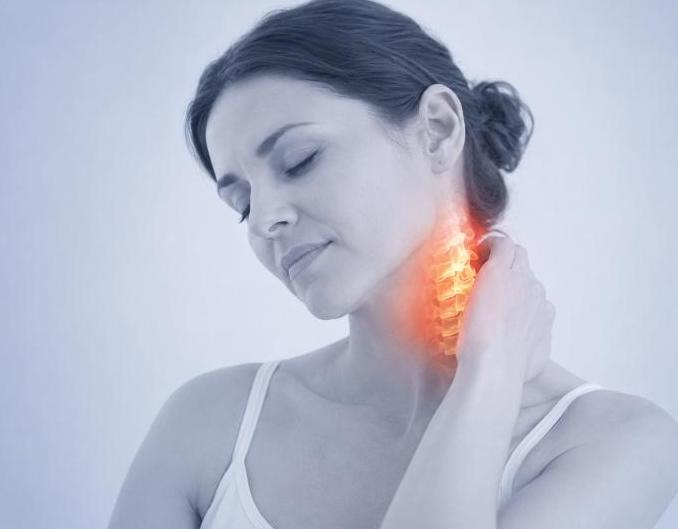
Neck (Cervical Spine)
Symptoms may include pain radiating into the shoulders or arms, along with tingling, numbness, or weakness.
Lower Back (Lumbar Spine)
Symptoms may include pain extending into the buttocks or legs, as well as changes in sensation or strength.
If symptoms are persistent or worsening, an assessment by a qualified healthcare professional is recommended.
When to Seek Urgent Care
Seek immediate medical attention if you experience symptoms such as changes in bladder or bowel function, significant weakness, or severe or rapidly worsening symptoms.
Considering Chiropractic Care?
If you are experiencing back or neck symptoms, you may choose to consult a chiropractor for an assessment of your condition and discussion of suitable care options.
Chiropractic care may form part of a broader approach, which can include other healthcare providers depending on your needs.