22% to 70% of people will experience neck pain at some point in their lifetime, with approximately 37% of people experiencing it annually. This frequent occurrence can make life a real “pain in the neck”.
Symptoms may include:
- Headaches (pain on one side of the head and around the eye, aggravation on certain head/neck movements)
- Grinding or clicking sensation in the neck
- Arm and shoulder pain
- Pins and needles in the arm or hand
Chiropractic care may help with neck pain, stiffness, and strain by supporting joint movement and function. Neck pain is extremely common. About 64% of Australians report neck pain at some point and many chiropractors regularly see patients with this condition. Chiropractic care focuses on joint movement and posture, and may form part of a broader approach to managing symptoms. Research suggests many people will experience neck pain in their lifetime, and some studies have explored different treatment approaches, with varying results. Patients often report satisfaction with chiropractic care for musculoskeletal concerns.
Causes of Neck Stiffness and Strain
Neck stiffness and strain usually arise from a mix of posture and muscular issues. Common causes include:
- Poor posture and “text neck”: Hunching over a screen or looking down at a device for long periods may strain the neck muscles and joints. Over time this “forward head” posture may contribute to ongoing tightness and discomfort.
- Traumatic injury: Whiplash (from car accidents or sports collisions) can affect the cervical spine and surrounding tissues, leading to ongoing pain.
- Degenerative conditions: Arthritis, disc wear or herniation in the neck may affect nerves and contribute to pain and stiffness.
- Muscle tension: Chronic stress, repetitive use, or holding static positions may tighten the neck and shoulder muscles, restricting motion.
- Spinal joint dysfunction: Joint restrictions or instability in the neck may be associated with symptoms like headaches or arm pain.
Tips to Prevent Neck Pain and Stiffness
Maintaining good neck health in daily life may help reduce discomfort. Recommended habits include:
- Regular breaks: Every 20 minutes during computer or phone use, look up and stretch your neck. Even a short break can help reset your posture.
- Gentle stretches: Do neck-friendly exercises like shoulder rolls, head turns, and chin tucks to keep muscles flexible.
- Ergonomics: Keep your computer or phone at eye level. Sit with your back supported and shoulders relaxed.
- Supportive sleeping posture: Use a pillow that keeps your head aligned with your spine.
- Stay active: Regular exercise (walking, swimming, Pilates, etc.) supports overall movement and strength.
When to See a Chiropractor for Neck Pain
If neck pain is persistent, worsening, or severe, it’s worth seeking professional advice. You may consider seeing a chiropractor if your pain lasts more than a few weeks, affects daily activities, or occurs alongside symptoms like headaches, arm pain, numbness or tingling.
Early assessment may help guide appropriate management. A chiropractor can assess your condition and, where appropriate, refer you to another healthcare provider.
If you would like to learn more, you can call our chiropractic clinic in Toorak or Doncaster at 0483 960 996 or book online for an assessment.
What to Expect During a Chiropractic Session
When you visit a chiropractor for neck pain, you can expect a thorough process:
- Assessment and History: The chiropractor will review your symptoms, medical history, and any injuries. They’ll examine your neck and spine alignment, posture, and range of motion.
- Diagnosis and Imaging: They may recommend imaging such as X-rays to help assess underlying factors contributing to your symptoms.
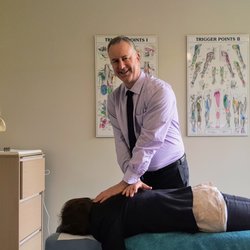
- Treatment (Manual Techniques): Care may include spinal adjustments or gentle mobilisation of the neck joints. Some patients notice a release or “popping” sound as joints move. Soft-tissue techniques may also be used to address muscle tension.
- Exercises and Advice: You may be guided through exercises or stretches to support strength and movement, along with posture and ergonomic advice.
After an adjustment, some patients feel mild soreness or stiffness for a day or two. This is generally temporary as the body adapts to changes in movement. Experiences can vary between individuals.