
As part of Spinal Health Month, recent Australian research has highlighted the significant impact that back pain can have on older adults. While many people think of back pain simply as a physical complaint, its effects often extend far beyond discomfort alone.
Back pain can influence how people move, sleep, exercise and participate in daily life. In practice, the consequences are often seen in the activities people gradually stop doing. A person who once enjoyed daily walks may begin avoiding longer distances. Gardening becomes more difficult. Travel plans are postponed. Social activities that involve prolonged standing or sitting become less appealing. These changes are often subtle and may develop over months or years.
Many older adults assume that back pain is an unavoidable part of ageing. While age-related changes do occur, chronic back pain does not have to mean surrendering mobility or independence. Remaining physically active is one of the most important factors in maintaining function and quality of life.
One of the challenges associated with persistent back pain is that people naturally begin protecting themselves from movements they believe may aggravate their symptoms. While this response is understandable, excessive caution can sometimes contribute to reduced activity, declining strength and loss of confidence in movement. Over time, this cycle can become as limiting as the pain itself.
Research released during Spinal Health Month found that chronic back pain is particularly common among older Australians and is frequently associated with reduced mobility, sleep disturbance and lower quality of life. These findings are consistent with what many healthcare practitioners observe on a daily basis. For many people, maintaining independence becomes just as important as managing pain levels.
The encouraging news is that age alone does not determine function. Walking, gardening, recreational exercise and regular movement throughout the day all contribute to maintaining strength, balance and confidence. People who remain active often enjoy better long-term outcomes than those who withdraw from activity altogether.
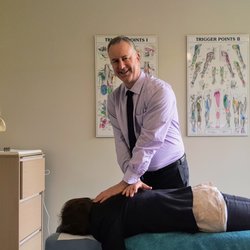
At Aura Chiropractic Toorak and Manningham Road Chiropractic Centre in Doncaster, we regularly see older adults seeking care for back pain, stiffness and reduced mobility. One of the most common comments we hear is that activities once taken for granted have gradually become more difficult. Helping people maintain confidence in movement and continue participating in the activities they enjoy is often an important part of their care.
Growing older does not mean accepting increasing limitation as inevitable. While some physical changes occur with age, maintaining mobility, function and independence remains one of the most important investments we can make in our long-term health and wellbeing.
This article was written during Spinal Health Month, an Australian Chiropractors Association initiative promoting spinal health, mobility and healthy ageing. Further information is available at www.spinalhealth.org.au.