Exploring the Potential Role
Living with neurological conditions like Parkinson’s disease or multiple sclerosis can be challenging. The symptoms of these complex conditions can significantly affect quality of life. Some people explore drug-free, hands-on approaches like chiropractic care as part of their broader care plan.
Chiropractic care focuses on the musculoskeletal system and how movement, posture, and joint function may relate to overall physical wellbeing. It may be considered alongside other treatments as part of a multidisciplinary approach to managing neurological conditions and supporting day-to-day function.
Understanding Neurological Conditions
To understand how chiropractic care may be involved, it helps to briefly look at Parkinson’s disease and multiple sclerosis.
These progressive neurological conditions affect the nervous system in different ways. Parkinson’s disease impacts nerve cells involved in dopamine production, while multiple sclerosis disrupts communication between the brain and body.
Both conditions may be associated with symptoms such as fatigue, stiffness, tremors, and mobility challenges, which can affect daily life. Conventional medical care, including medications and other interventions, often plays a central role in managing these conditions. Some individuals also consider complementary approaches, such as chiropractic care, as part of their overall management strategy.
The Role of Chiropractic Care
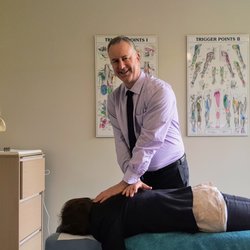
Chiropractors use hands-on techniques aimed at supporting joint movement and musculoskeletal function. Care may include gentle manual techniques that focus on mobility, posture, and reducing physical tension.
The goal of chiropractic care is to support movement and comfort within the musculoskeletal system. For some individuals, this may contribute to improved physical function or ease of movement.
How Chiropractic Care May Support Neurological Health
Some research has explored how manual therapies, including chiropractic care, may influence aspects of physical function such as mobility, posture, and muscle tension. While the exact mechanisms are still being studied, care is generally focused on supporting movement and overall physical wellbeing.
Chiropractic care often takes a whole-person approach, considering factors such as mobility, physical comfort, and lifestyle habits. For some individuals, this may assist in managing certain physical challenges associated with neurological conditions.
It is important to note that chiropractic care does not replace medical treatment for neurological conditions but may be considered as part of a broader care plan.
Case Study and Emerging Research
Some early research has explored the potential role of chiropractic care in people with Parkinson’s disease. For example, a case study involving a 68-year-old woman reported changes in measures such as posture, stability, and self-reported quality of life following a period of care.
While findings like these are of interest, case studies are limited in scope, and further research is needed to better understand the role chiropractic care may play in managing symptoms associated with Parkinson’s disease.
Individuals considering complementary therapies should do so in consultation with their healthcare providers.
Safety and Considerations
Chiropractic care is generally considered safe when provided by a qualified practitioner. As with any form of care, it’s important to undergo an appropriate assessment to determine suitability.
People living with neurological conditions should consult their GP or specialist before beginning any new form of care. Collaboration between healthcare providers can help ensure a coordinated and appropriate approach.
Finding a chiropractor experienced in working with complex conditions may also be beneficial. Open communication about symptoms and responses to care is important throughout the process.
Managing Parkinson’s Symptoms with Chiropractic Care
For those living with Parkinson’s disease, chiropractic care may be considered as part of a broader management plan focused on maintaining mobility, comfort, and overall wellbeing.
Dr. Michael Black and Dr. David Black of Black Chiropractic have over 38 years of experience providing care in the Manningham and Stonnington communities. They see patients with a range of musculoskeletal concerns, including back and neck pain, headaches, sciatica, and injuries.
Black Chiropractic offers personalised care, bulk billing for eligible patients, and can arrange imaging where appropriate. As BUPA Members First Providers, they also offer savings for BUPA clients, along with electronic private health fund claims and Medicare EPC referrals.
To learn more or discuss your options, you can book an appointment online or contact Black Chiropractic directly.