Whiplash is a neck injury resulting from a rapid back-and-forth motion of the head, commonly occurring during rear-end vehicle collisions. This sudden movement can affect the cervical spine, muscles, ligaments, and nerves. It has often been called a hyperextension sprain-strain injury to the neck.
Chiropractic care may be considered as a non-invasive approach to managing whiplash injuries, with a focus on supporting movement and function in the spine and surrounding structures.
Understanding Whiplash Injuries
The mechanism of whiplash involves a swift extension and flexion of the neck, which may lead to overstretching and injury of soft tissues.
Symptoms may appear immediately or develop over several days and can include neck pain and stiffness, headaches, dizziness and fatigue, shoulder and back pain, reduced range of motion due to pain and stiffness, tingling or numbness in the arms, blurred vision, ringing in the ears, and cognitive symptoms such as trouble concentrating, memory problems, or irritability.
Early assessment is important to help determine the appropriate course of care.
Chiropractic Approaches to Whiplash
Chiropractors may use a range of techniques when managing whiplash-related symptoms. Common approaches include:
Spinal Manipulation
Also known as chiropractic adjustment, this technique involves applying controlled force to specific joints to support joint movement and function. Some studies have explored the use of spinal manipulation in people with whiplash-associated disorders.
Flexion-Distraction Technique
This gentle, non-thrusting spinal technique may be used in some cases involving disc-related issues or degeneration. It involves the use of a specialised table that distracts and flexes the spine in a rhythmic motion.
Soft Tissue Therapy
Chiropractors may use manual therapies, such as massage and myofascial release, to address muscle tension and soft tissue irritation associated with whiplash.
Manual Therapy
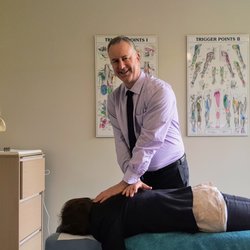
This approach involves hands-on techniques to work with muscles and joints, with the aim of supporting movement and function. This is the approach we largely use in our Toorak and Doncaster clinics.
Exercise and Rehabilitation
Customised exercise programs may be used to support neck strength, posture, and flexibility. Rehabilitative exercises can help support normal movement patterns over time.
Research and Chiropractic Care for Whiplash
Research has explored the use of chiropractic care in managing whiplash injuries. Some studies report improvements in pain, muscle spasm, and range of motion following care, although outcomes vary between individuals and the evidence is not uniform across all cases.
Chiropractic care may be one option considered by individuals seeking a non-invasive approach to managing whiplash-related symptoms.
Considerations and Precautions
While chiropractic care may be suitable in some cases, it is important to approach treatment with caution, particularly in the early stages when acute inflammation or significant restriction may be present.
A thorough medical history and assessment are important before initiating treatment. If a patient is not suited to chiropractic care due to the acute stage of swelling or immobility, other steps may be recommended.
Managing Whiplash Over Time
Whiplash injuries can significantly affect quality of life. Chiropractic care may form part of a broader, patient-centred approach to managing these injuries, with a focus on movement and function.
Through a combination of techniques, including spinal manipulation, soft tissue therapy, and rehabilitative exercises, chiropractors may help some patients manage the effects of whiplash.
We’ve looked after patients with whiplash injuries to the neck for decades. In general, earlier assessment may help guide more timely management.
It is unfortunate that months, or even years, can go by before a patient presents for examination. While other treatments have sometimes been tried, often there has been no intervention at all.
The longer symptoms persist, the more the body may adapt or guard around the injured joints, which can further affect movement and function. Dr David Black, Chiropractor, relates the story of seeing a patient with chronic whiplash injuries and ongoing neck pain.